
Fatherhood
This is an essay

Earlier this week I heard an interview with the author Augustine Sedgewick, who wrote a book called, "Fatherhood." It's more or less about how the idea of fathers as providers or the men "in charge" of the family has evolved through the ages.
Sedgewick says in the interview on NPR’s Morning Edition:
“…fatherhood has been created as this kind of godlike paternal mandate to protect and provide. What's interesting about that is that men, of course, are not gods. Therefore, men, time and time again, find themselves in crises of masculinity, of fatherhood because they have defined those ideas in terms that are effectively impossible to completely guarantee and fulfill.”
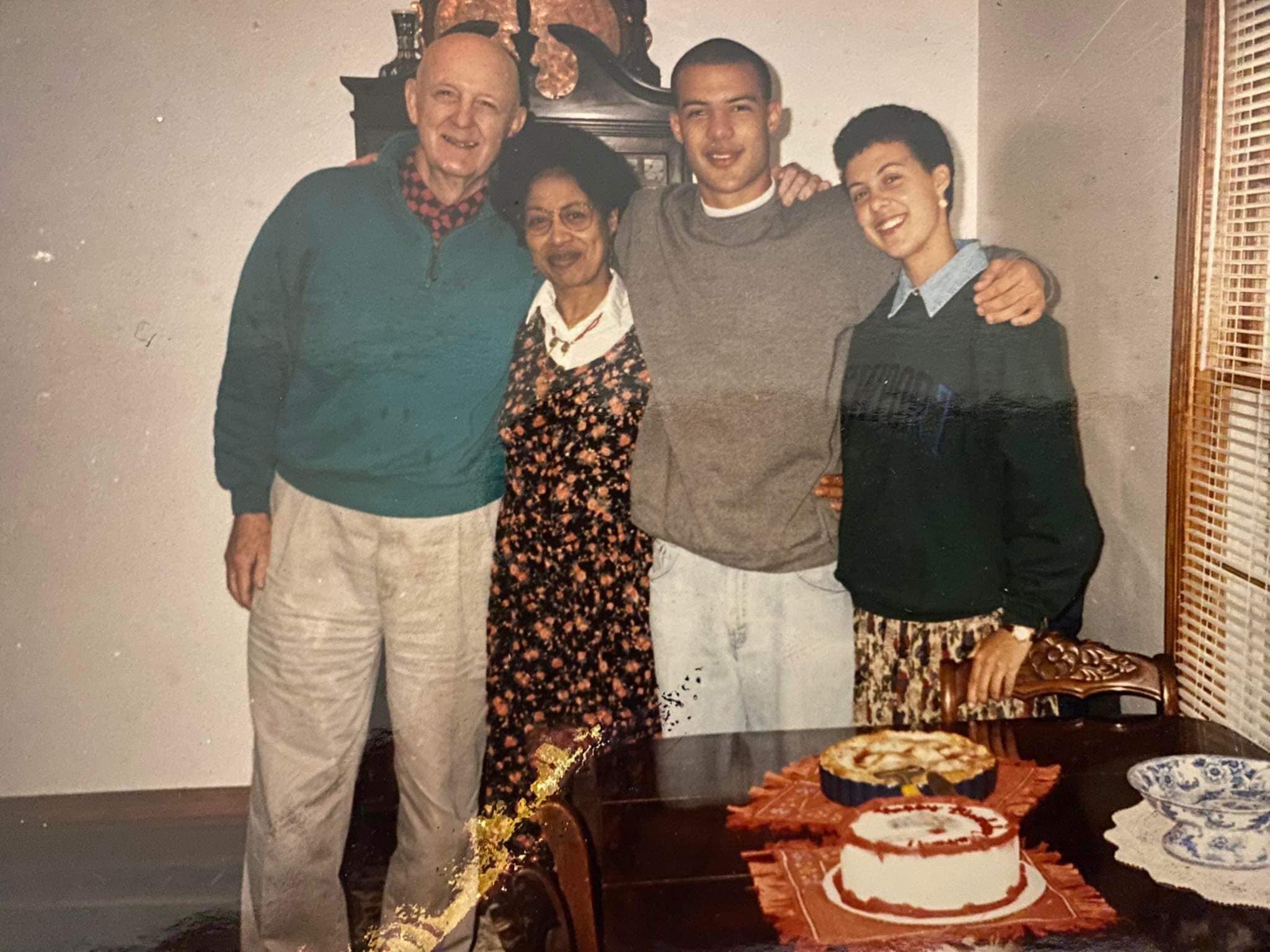
This made me think about how my own father was shaped into a parent. He came late to the role — already about 45 years old when I was born in the late 1960s. He was in his early fifties when my brother was born.
My mother said (more than once), that my father hadn’t really wanted children. He said that it was more a matter of thinking he’d missed his shot at family life and hadn’t been too disappointed about it. The ambivalent parent.
Based on TV, film and literature, my impression of the stereotypical father of old is of a stern and demanding fellow who is not given to shows of affection. This father worked to provide for the family, to greater and lesser success depending on his circumstances, character and abilities. He was not a hugger. He gave praise grudgingly.
Sedgewick says that “Dad” came along in the post World War II era. Imagine a time when technology was making lighter work of many jobs and bringing new jobs into existence. Men coming back from war might have availed themselves of the G.I. Bill to further their educations and, in so doing, lifted themselves in into the middle-class. Here I speak of white men, because Black men were denied access to the G.I. Bill’s benefits. My dad was one of those white men who took Uncle Sam up on his offer of a free pass to college. He duly created, with my mother, a different kind of life than either had dreamed of.
Sedgewick says: “And the dad is a really novel figure who is not only a protector and a provider but also a friend, someone who comes home after work and plays with his kids and goes to Little League and, you know, is a force for kind of positivity and happiness in the household.
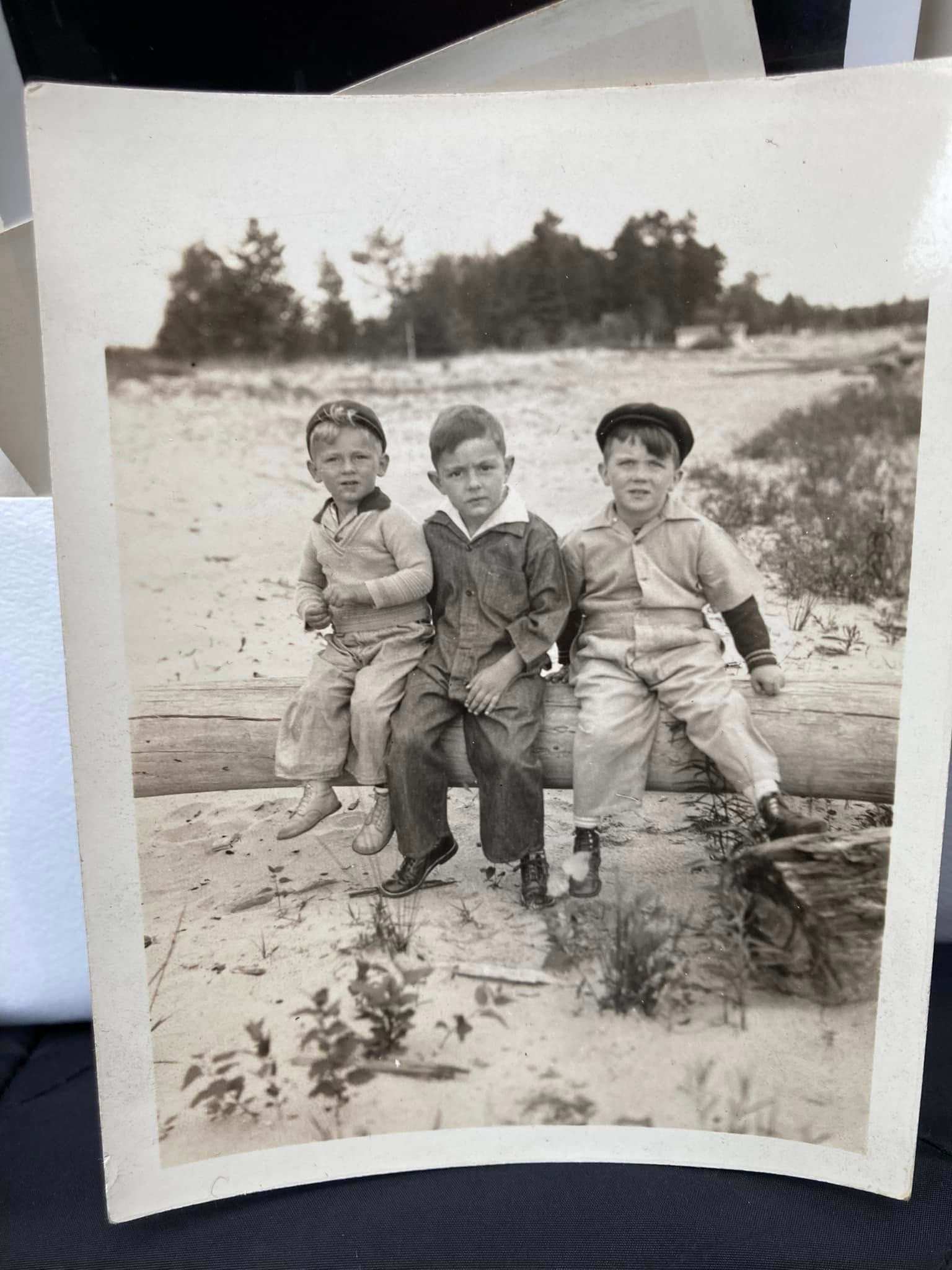
So, enter my dad: Born in 1924, before the era of the Little League pop, pops or papa. His own father definitely fit that old-time definition. Furthermore, my paternal grandfather does not appear to have been an especially good provider, with my grandmother’s family (already in the middle-class) looming large and disapproving of his abilities. I imagine him as kind of bitter about that, to say the least. Of his father, my own dad spoke little.
At any rate, my father grew into a Dad in the new mold. He was a provider and friend. His read bedtime stories to us. He made jokes and laughed at ours. He, in fact, became a Little League coach. He praised us and was proud of us. He took our family around the world and gave us adventures. Drive from the Upper Peninsula of Michigan to Belize? Sure. Elephant rides in Thailand? Of course! Camping on the the beaches of Somalia? Not a problem. He was kind, very open-minded and almost bohemian in his thoughts about life and people. If it weren’t for my mother we might have been one of those free range, living off the grid by our wits families you read about.
And yet, my father had some traits that were more akin to the old-time father than the post Cold War cohort of Dads. He was not a hugger and found it hard to say, “I love you.” until very late in life. It was my mother who always reminded us that in fact he did in fact love us. When it came to matters of the heart, at least mine, he took a philosophical and even intellectual approach, instead of commiserating or soothing or drying tears. Nevertheless, he raised me to believe I was worthy of respect and esteem, and that could hold my own in a world of possibilities.
My father was restless, and I don’t think he ever found what he was looking for in life. He said he wanted to “be useful,” in the world. I think he wanted to be seen, as we say today, as someone of worth and of important ideas. He was so intelligent, but he couldn’t channel it into anything for very long. Even as a white man in a world built for white men he was insecure and suffered from low self-esteem.
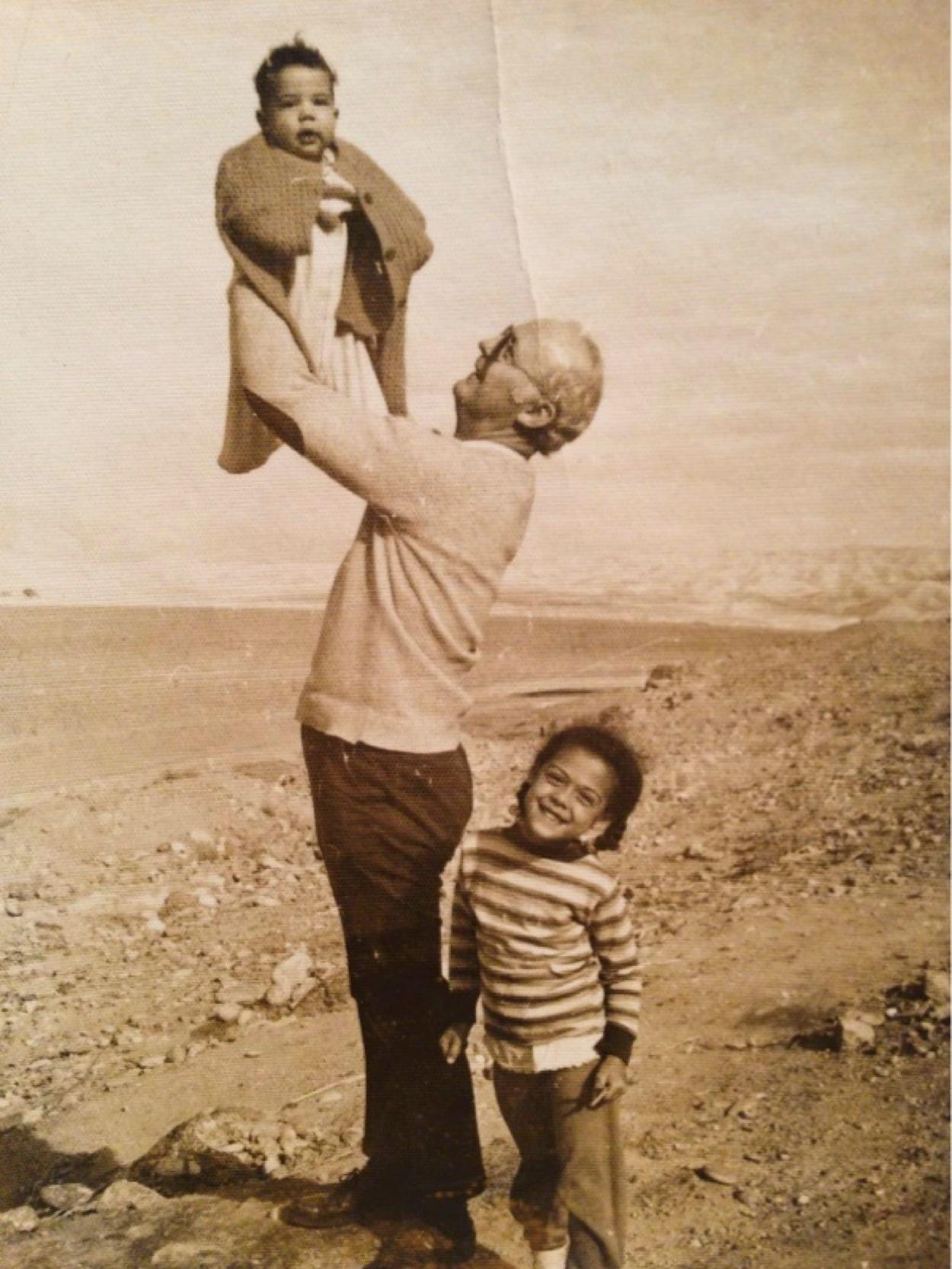
Nevertheless, I know in my heart that when he hoisted each of his children onto his shoulders (until we were too big), he felt proud of being able to provide us a good view.
Thank you, Holly,for sharing a little about your dad.
I remember sitting on the beach at Henes Park in Menominee as my mother read letters written to her from your mother on one of your father's many postings overseas. I also remember you as Holly, the young college student. How far you've come! You are an amazing writer.